ProducePay Secures $140M in Equity and Credit to Grow Its Produce Platform
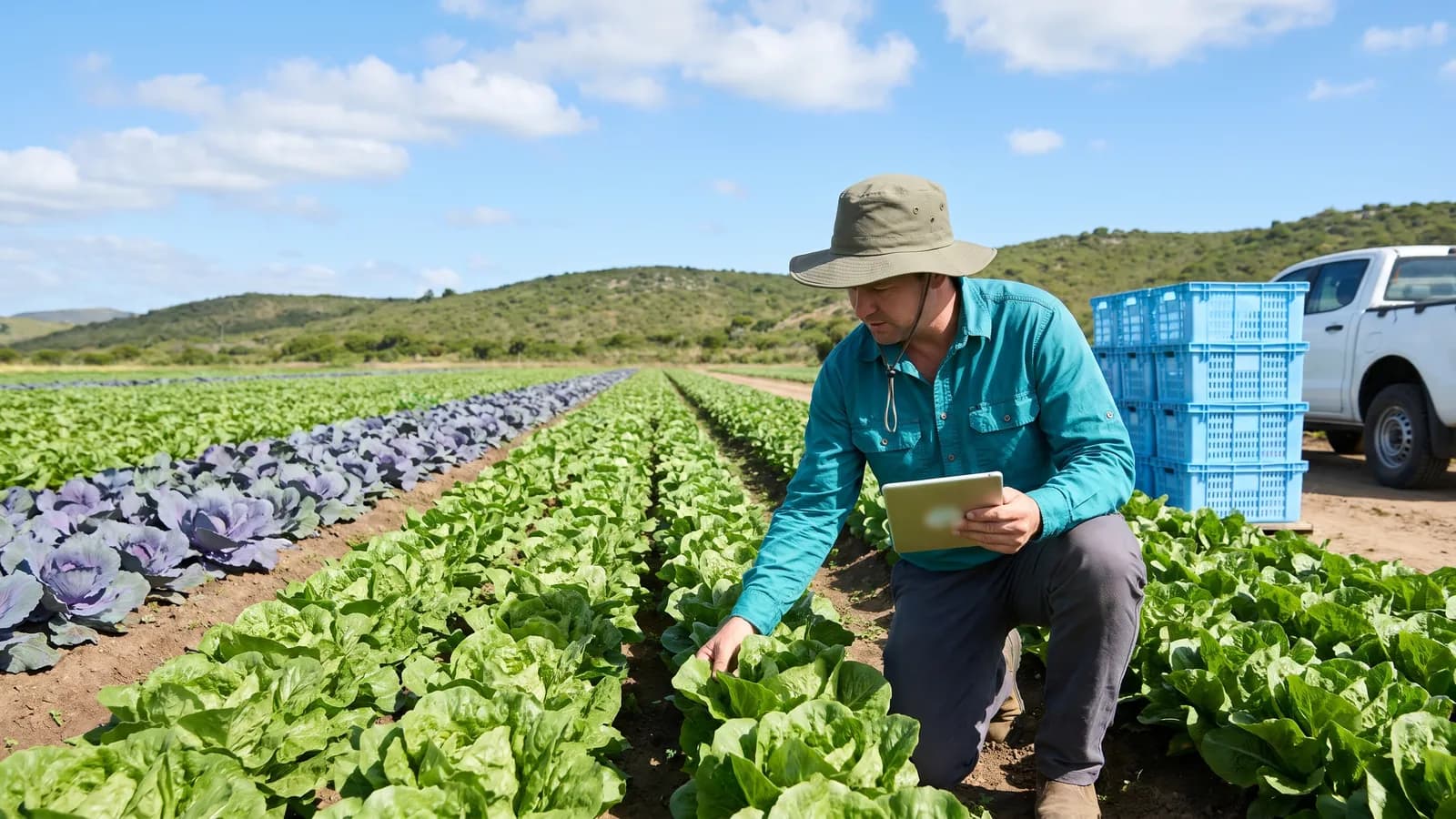
ProducePay, the Los Angeles company that finances and tracks fresh fruit and vegetables on their way from farms to stores, said on September 1 that it has secured more than $140 million in new equity and finance capital. Avenue Capital and Astanor led the equity portion. The company said the round could expand to $300 million.
How the Deal Is Structured
ProducePay did not say how much of the total is equity and how much is lending capacity. A new lending fund was announced at the same time. According to AgFunderNews, The i80 Group, AgAide, Thiele Capital Management and Millennium Capital back the facility. About 15% of it sits in a first-loss equity layer from AgAide, Millennium and a small ProducePay contribution. The i80 Group provides the other 85% as debt.
Under this setup, outside investors carry most of the money advanced to farms. CEO Patrick McCullough told AgFunderNews the company expects to advance $1 billion to growers next year. He also said he expects ProducePay to be profitable by the end of this year.
"This raise marks a major milestone for ProducePay," McCullough said in the company's announcement. George Powlick, a partner at Astanor, said the company "is building critical infrastructure for a food system that is increasingly shaped by volatility." Astanor first joined in ProducePay's $43 million Series C in 2021, a round led by G2VP with IFC and IDB Invest as co-leads, according to SoCalTech.
From Farm Advances to Farm Data
ProducePay launched in 2015. It was founded by Pablo Borquez Schwarzbeck, a fourth-generation farmer, and built its business on cash advances that help growers smooth out uneven revenue during the season. By December 2019, $1.5 billion worth of produce had moved across its marketplace since launch, TechCrunch reported at the time.
To protect its own money, ProducePay sent agronomists into the field to check crops before harvest. By 2023, the company saw it could package that information for customers. Today it tracks produce at the invoice and pallet level, including location, temperature, humidity and vibration. AgFunderNews names berry supplier Fruitist and table grape specialist Four Star Fruit as data clients.
McCullough summed up the model this way: the farmer pays for the capital and the importer pays for the intelligence. He told AgFunderNews that the importer revenue line is "just getting off the ground." The company said the equity will go into its platform, including its Visibility product for tracking quality, location and orders from farm to retail, and into data and predictive analytics.
In one example, Costco accepted early-harvested grapes that missed one specification, length, during a tight supply period after field data from ProducePay's agronomists was shared in real time.
Market Context
Fresh produce is a $1.5 trillion industry, according to the company. McCullough cites 117% annual price volatility and notes that the sector has little fixed forward pricing. ProducePay has 11 years of advance and repayment data. McCullough told AgFunderNews that losses have been very low and that the capital providers behind its advances have been repaid principal and interest in full.
The company has historically focused on Latin American growers who ship to North America. It is now expanding into Europe, Africa and the Middle East. European buyers, McCullough said, put strong emphasis on pesticide residues and food safety.
McCullough has set two public goals: profitability by year-end and $1 billion in grower advances next year. "We think 2027 will be a breakout year," he told AgFunderNews. Another capital provider is expected to join the lending facility soon, according to the same report.
Sources
CIBA Editorial
Author of this post