Quartermaster Raises $100M Series B to Build a Data Network for the Ocean
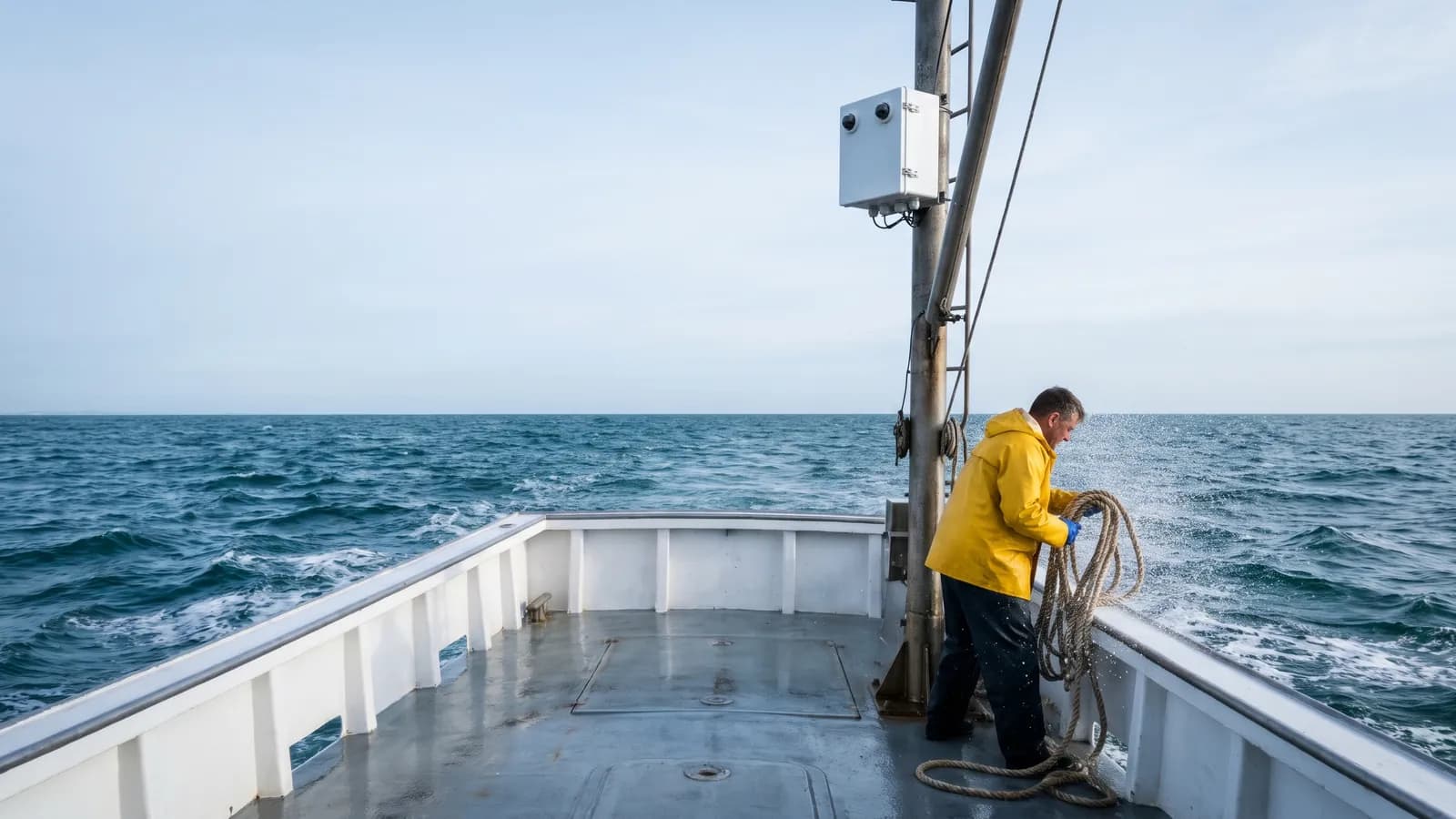
Quartermaster, an Arlington, Virginia, startup that puts sensors on ships, has raised $140 million. The total includes a $100 million Series B led by Insight Partners and a $40 million venture debt facility from the investment bank Stifel. The company announced the funding on September 28. It did not share a valuation.
Overmatch Ventures, which TechCrunch described as defense-focused, joined as a new investor. Returning investors include First Round Capital, Quiet Capital, Steel Atlas and TMV, according to the company. TechCrunch reported that Insight preempted the round, meaning it offered terms before Quartermaster started a formal raise.
The new money arrives only four months after a $43 million Series A in May, which First Round Capital and Quiet Capital co-led.
What the Company Builds
Quartermaster's main product is SmartMast. It is a package of cameras and radios mounted on a ship's mast that captures and relays real-time data about the water around the vessel, TechCrunch reported. Each unit records tens of gigabytes of data per day.
Many ships already share basic position data through AIS, the Automatic Identification System. TechCrunch described AIS as basic location pings. Quartermaster wants to add a far richer picture: which vessels are nearby, what is happening on the surface and where hazards are.
More than 650 vessels in 25 countries now carry Quartermaster hardware, and the company has shipped more than 800 units, according to TechCrunch. In May, TechCrunch put the count at more than 600 ships.
Vessel owners get the hardware, installation and support, plus their own data feeds, route hazard alerts and broadband internet at sea, the company says. In return, their ships feed a shared ocean data network.
Why the Round Came Now
In its announcement post, Quartermaster pointed to the closure of the Strait of Hormuz and to research on war risk insurance premiums for ships passing through it. Founder and CEO Neil Sobin argued that insurance pricing, more than weapons, drove much of the disruption. In his words: "Not because of drones or mines, but because of an actuarial table." TechCrunch reported that interest in the company grew because of the war in Iran and the shipping disruption it caused.
"I think we've gained huge amounts of conviction in the core thesis," Sobin told TechCrunch. He added that "events in the world drive that clarity and drive that conviction and urgency."
Sobin also wrote in the post that AI models are ready, but the ocean is the most important piece missing from the data they learn from.
Nick Sinai, a managing director at Insight Partners, said the company's progress "made this an investment we wanted to lead," according to TechCrunch. Sobin described the market this way: "This is an ignored field."
Customers and Uses
In May, Sobin told TechCrunch that fleet operations are low-margin businesses, which makes selling sensors to fleet operators hard. The company gives mariners reasons to install its hardware, then builds value from the combined data.
Possible buyers include governments, shipping companies and insurers, according to TechCrunch. Uses include collision avoidance, tracking congestion in shipping lanes and finding lost mariners. Sobin told TechCrunch in May that ships with SmartMast had helped in more than 20 rescues.
Quartermaster says it will grow its engineering team and recruit more vessels to expand coverage in busy fishing grounds and commercial shipping lanes. TechCrunch reported that the company has doubled its manufacturing capacity, is redesigning its hardware for faster production and is starting fleet-wide deployments.
Sources
CIBA Editorial
Author of this post