Xona Raises $250M Series D at $2.45B to Build a GPS Alternative
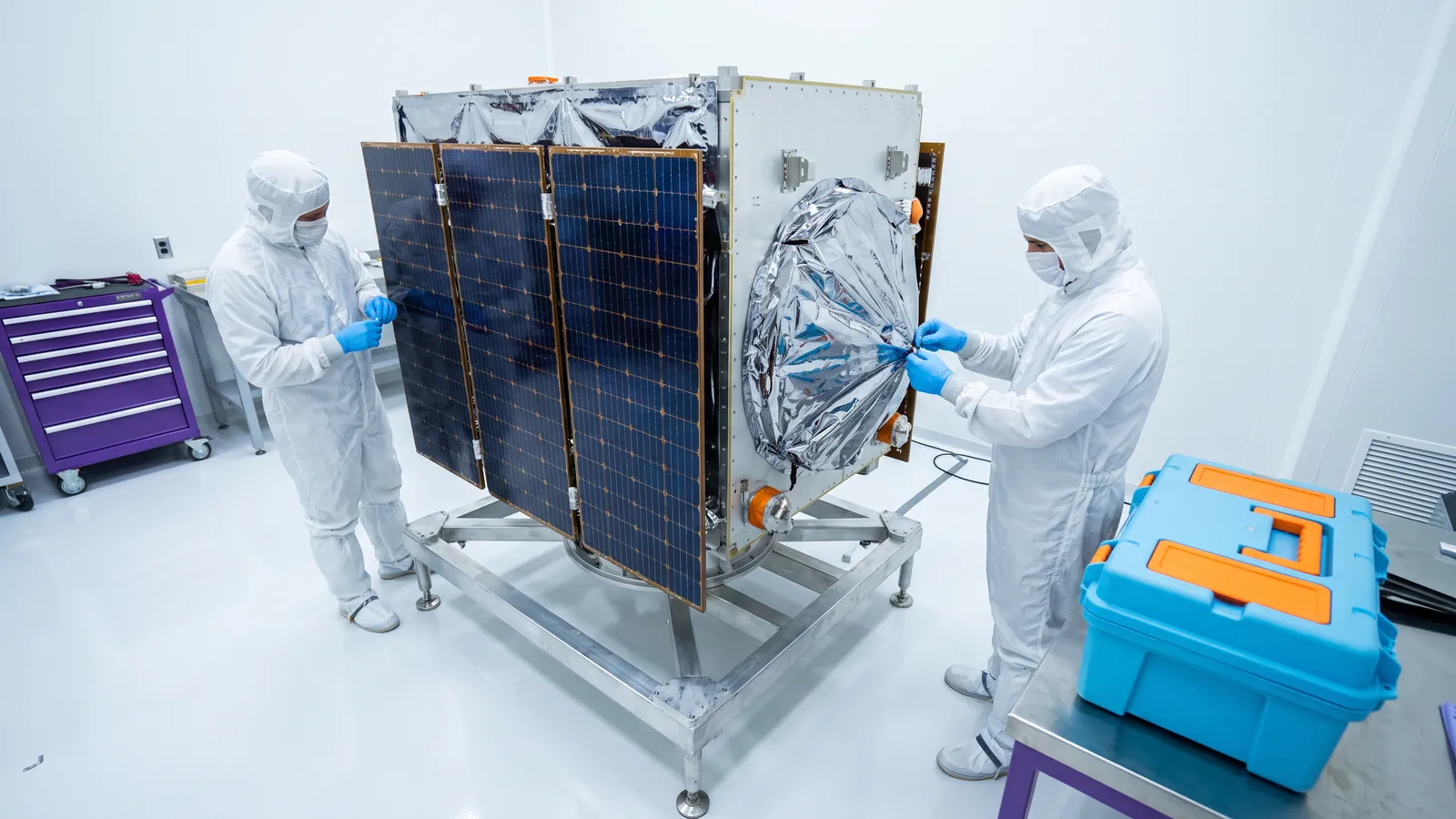
Xona Space Systems, a Burlingame, California startup building a satellite network to work alongside GPS, has raised a $250 million Series D at a $2.45 billion valuation. Future Ventures, the firm co-founded by Steve Jurvetson, led the round. Xona announced the funding on October 22, 2026, about seven months after a $170 million Series C.
New and existing investors joined the round, the company said. Forbes reported that Future Ventures put $78.5 million into the deal and first backed Xona in 2024. Jurvetson is a longtime SpaceX board member and an early backer of Xona who has also backed SpaceX and Planet, according to Xona. The company has now raised more than $570 million in total.
What the Company Does
Xona is building Pulsar, a constellation of satellites in low Earth orbit that send positioning and timing signals. Forbes reported that the company expects its initial constellation to include 258 satellites.
Last year, the company used its Pulsar-0 satellite to prove the system design in orbit. Xona says the satellite has completed more than 500 transmissions and delivered positioning accuracy better than two centimeters. It also says existing commercial receivers can be upgraded to use the signal without physical changes.
"We started Xona in 2019 because we believed the answer wasn't to simply recreate GPS with newer satellites," co-founder and CEO Brian Manning said in the announcement.
Manning is a former SpaceX engineer. He founded the company with seven other alumni of Stanford's aeronautics and astronautics department, Forbes reported.
Recent Progress
The round follows Xona's first deployment of six Pulsar satellites, which went up on a SpaceX Falcon 9 launch, according to Forbes. Four of them will begin serving customers in 2027, the company said. The other two are the first satellites designed and built entirely in-house at Xona's factory in Burlingame. Xona says its design is built for manufacturing at a pace of multiple satellites per week.
"We started the year with technically an empty warehouse, and now we have a functional satellite factory," Manning told Forbes.
In August, Xona said it received a first-of-its-kind FCC authorization for full deployment of Pulsar. Forbes reported that Topcon, a Japanese maker of positioning products for agriculture and construction, is among the customers the four operational satellites will support. Xona's news page also lists other industry ties this year. In June, Murata and Xona signed a memorandum of understanding for industrial uses. In August, Furuno said it was the first company in Japan to receive Pulsar signals.
Market Context
"The world's in a pretty dangerous place relying on GPS alone," Manning told Forbes.
Jurvetson compared Xona's goal to his earlier space investments. "Xona has the same level of ambition: bring commercial innovation to a domain historically reserved for nation-states," he told Forbes.
The round ranked fourth on Crunchbase News' list of the 10 biggest funding rounds raised by U.S. companies from October 17 to 23.
What Comes Next
Xona said it will use the money to scale manufacturing, deploy more satellites and build the systems needed to run Pulsar as a global service. Manning told Forbes the company is "seeing an immense amount of incoming demand." Customer service from the first four operational satellites is set to begin in 2027.
Sources
CIBA Editorial
Author of this post